

AA ACTION-ADVENTURE EXPLORATION UNANNOUNCED

ISLES OF ASTREA

CANCELLED DURING DEVELOPMENT

GAME & LEVEL DESIGNER

From an early creative direction to playable systems and meaningful spaces.


I contributed to this project from its earliest conception phase, exploring game concepts with the design team before helping translate the emerging creative vision into gameplay systems, prototypes and level design.


This project was cancelled before announcement. Visuals and descriptions presented here have been recreated to illustrate my design work without revealing confidential material.

01

MY ROLE &
CONTRIBUTIONS

I joined the project at its earliest stage, contributing to concept exploration before helping turn an evolving creative vision into concrete gameplay systems and playable experiences.

CONCEPT EXPLORATION

Explored multiple game concepts from the studio’s editorial direction, pitching ideas alongside the design team and contributing to the definition and refinement of the selected vision.

GAMEPLAY DEFINITION

Investigated movement, navigation, dialogue, combat, inventory, map, powers, puzzles and mini-games through comparative design studies to identify the mechanics that best supported the experience.

PROTOTYPING & ITERATION

Prototyped traversal powers, tuned their metrics and feedback, then created reusable gameplay building blocks to evaluate them in real exploration and puzzle situations.

LEVEL DESIGN

Translated narrative scripts into playable spaces, designing Tower Island and Bat Island around exploration, secrets, critical-path progression and environmental storytelling.

02

ISLANDS LEVEL DESIGN

Translating narrative themes into explorable spaces where level structure, progression and gameplay mechanics reinforce the story being told.

TOWER ISLAND

Turning the stages of grief into a playable journey.

Tower Island was designed around a massive tower whose summit naturally draws the player’s attention. During the ascent, environmental storytelling and seven scattered notes reveal the story of someone who came here after losing hope of ever returning home.

01
SHOCK

The floor suddenly collapses, throwing the player into a dark and chaotic space.

02
DENIAL

Multiple apparent exits loop back into the tower, creating the illusion of escape.

03
ANGER

Tight, blocked spaces encourage the player to progress through destruction.

04
BARGAINING

Rebuild parts of what was destroyed to move forward.

05
SADNESS

A long, flooded and oppressive corridor forces a solitary path forward.

06
ACCEPTANCE

Vertical ascent, asking the player to literally climb back upward.

07
RECONSTRUCTION

The player emerges into an open space and discovers the petrified person at the top.

The character at the summit

THE JOURNEY IS INTENTIONALLY INCOMPLETE.

At the summit, the player realizes that the character has reached resignation rather than true acceptance. The player must return to the Acceptance floor, recover a missing soul fragment and bring it back to the summit to help them finally let go.
BAT ISLAND

Bringing what has been forgotten back into the light.

Bat Island revolves around a hidden cave where someone withdrew from the world until they were eventually forgotten. The level transforms this narrative idea into an exploration built around darkness, light and memory.

ISLAND SURFACE Access and observation
BAT-SHAPED CAVE Hidden entrance revealed
with Light
DARK ZONES Absorb the player's light
and hide the path
MULTIPLE PATHS A nursery rhyme hints
at the correct route
INNER CHAMBER Where the forgotten
person is found

03

GAMEPLAY FEATURES

Four core gameplay mechanics designed to shape how players move, perceive and interact with the world. Each mechanic introduces new possibilities for exploration, environmental challenges and discovery

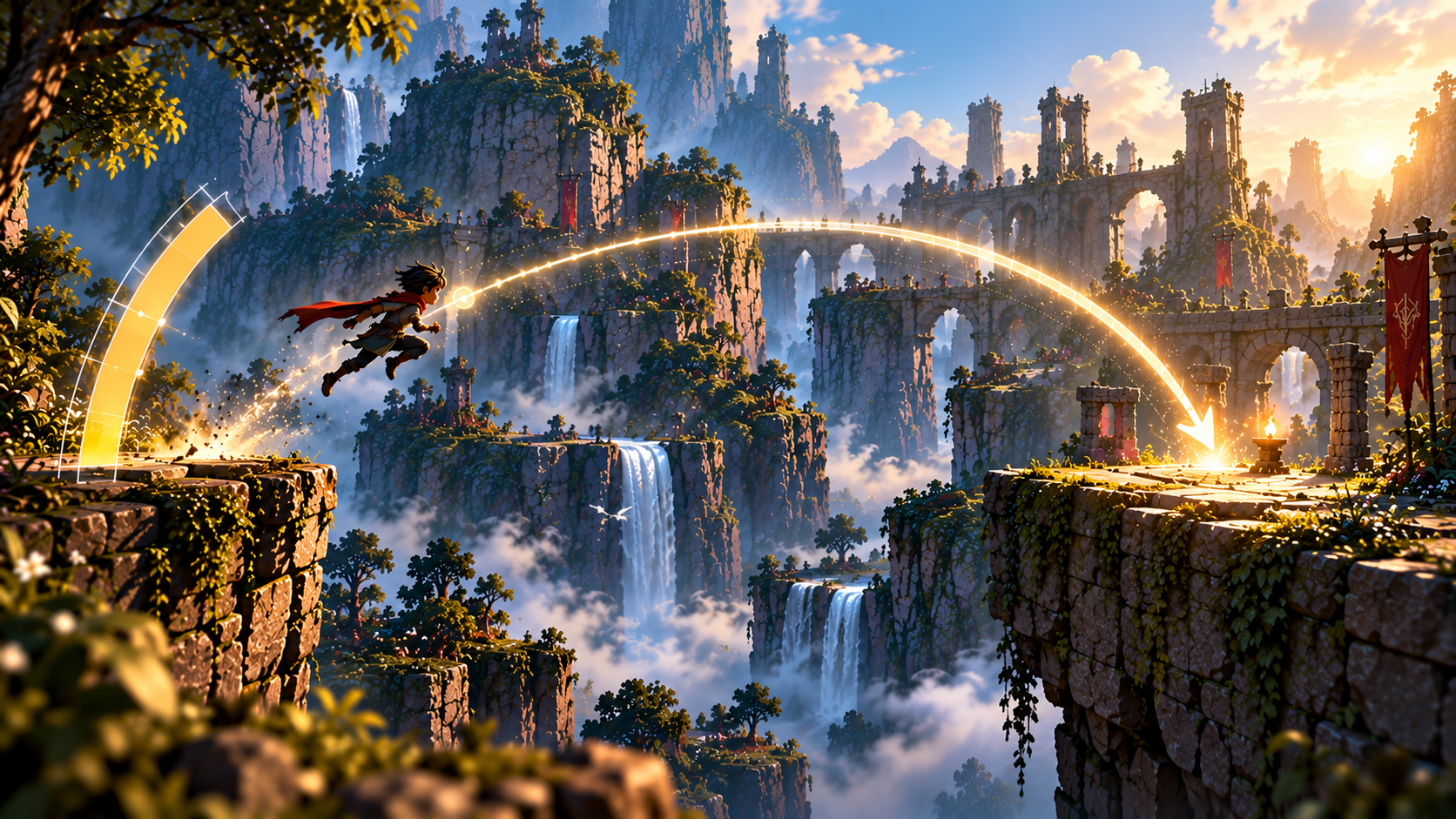
JUMP

CHARGE. AIM. COMMIT.

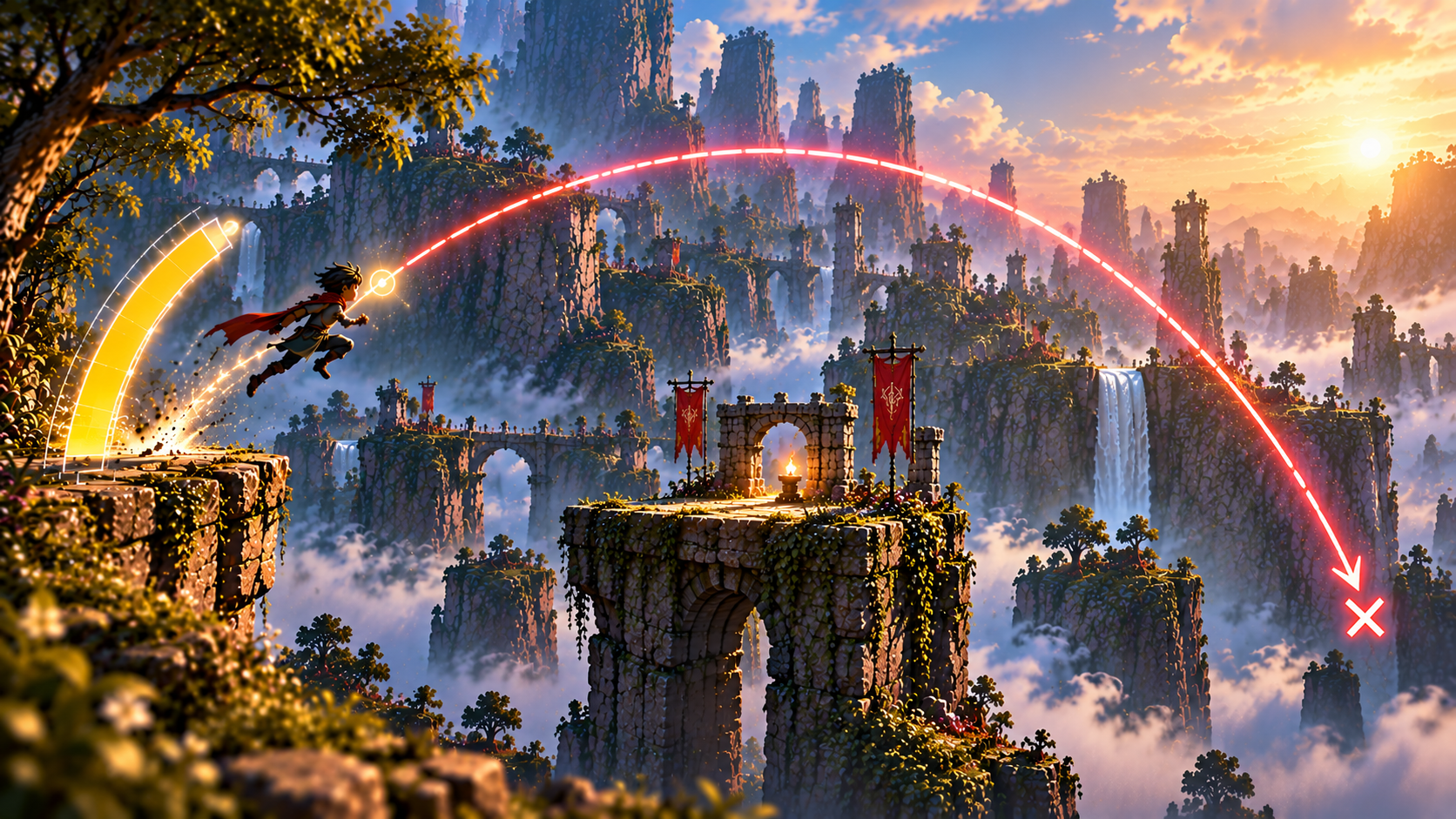
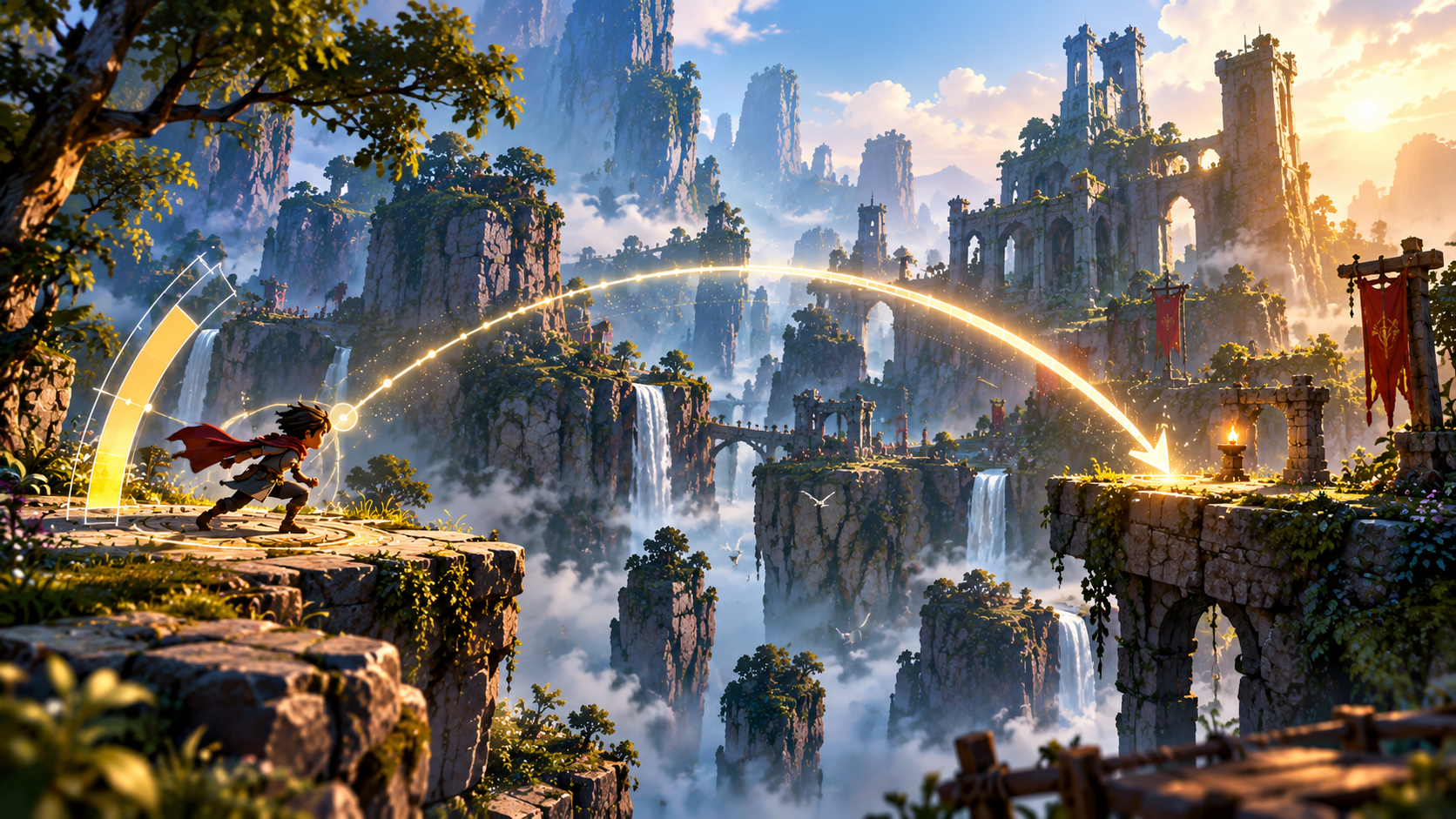
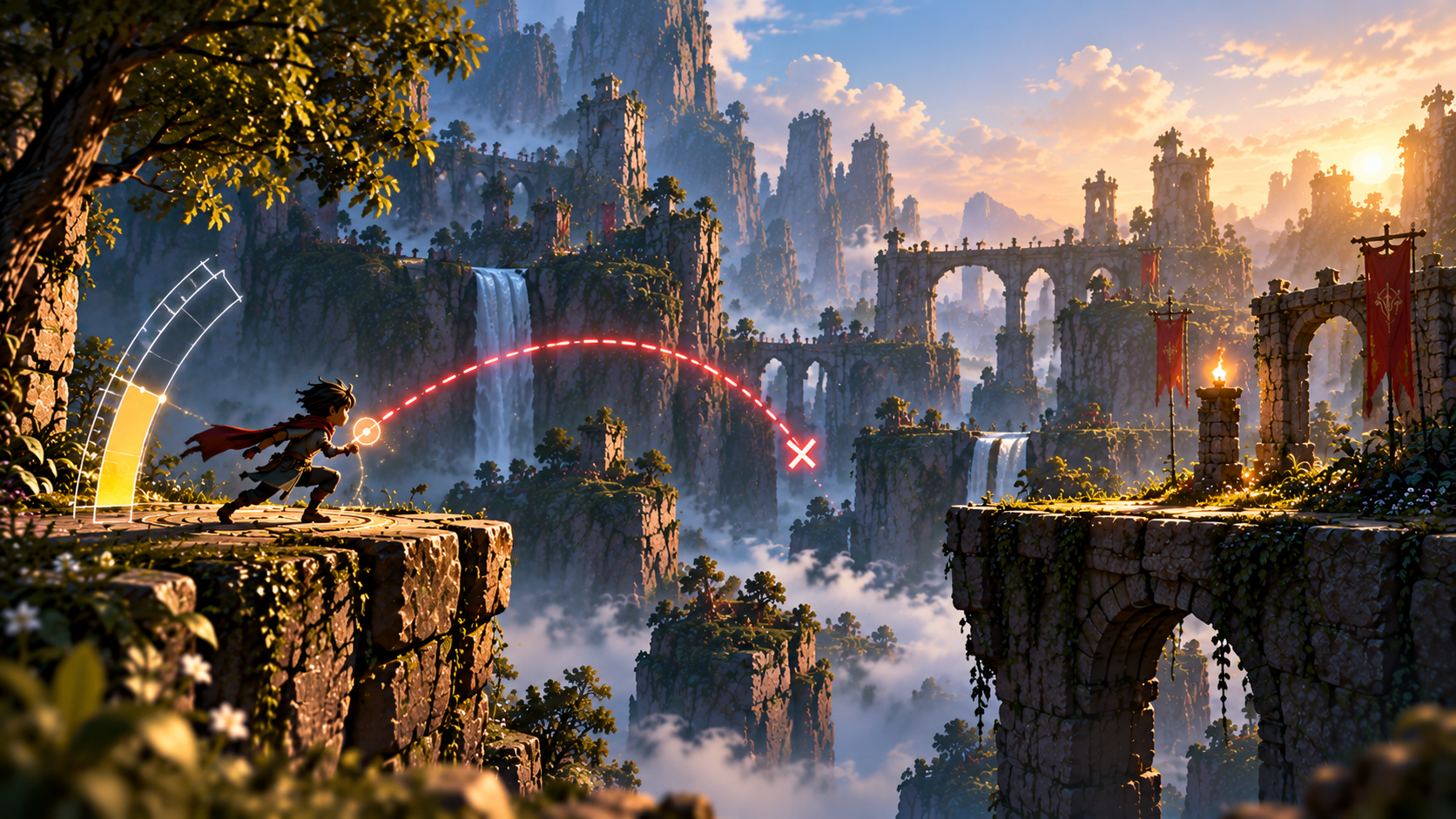
Rather than relying on a traditional double jump, I designed a charged super jump that challenges players through precision and execution.

Players must remain stationary while charging their jump, using a golf-inspired power meter to determine its strength. By adjusting both the trajectory and the charge, they can reach destinations at different heights and distances.

Every jump becomes a deliberate commitment: insufficient power, excessive charge or inaccurate aiming can result in failure, with consequences depending on the environment.

CORE DESIGN PRINCIPLES

POWER
Control jump strength

PRECISION
Aim the trajectory

RISK
Commit to the jump

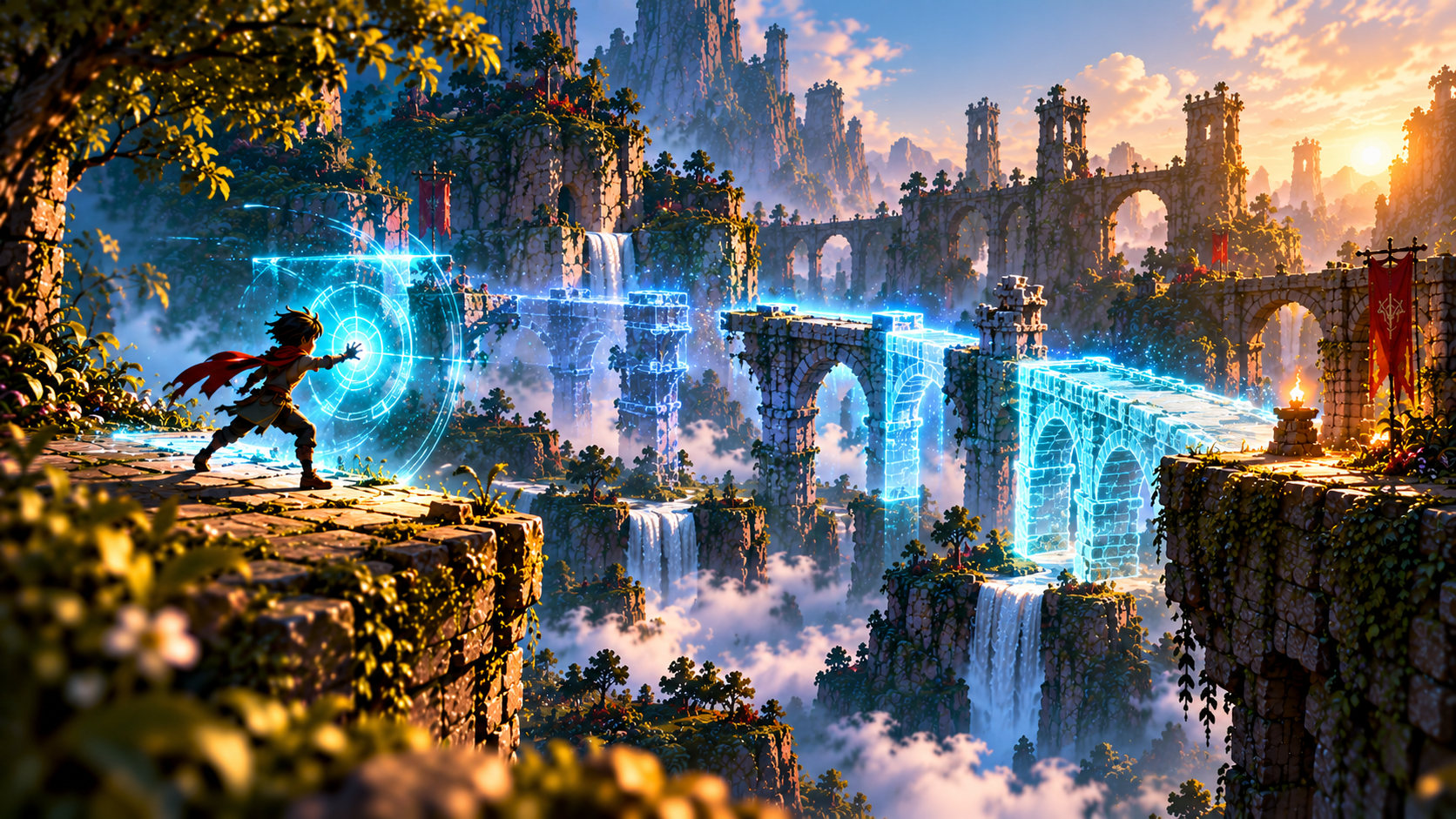
TIME CONTROL

RESHAPING TIME, RESHAPING THE WORLD.

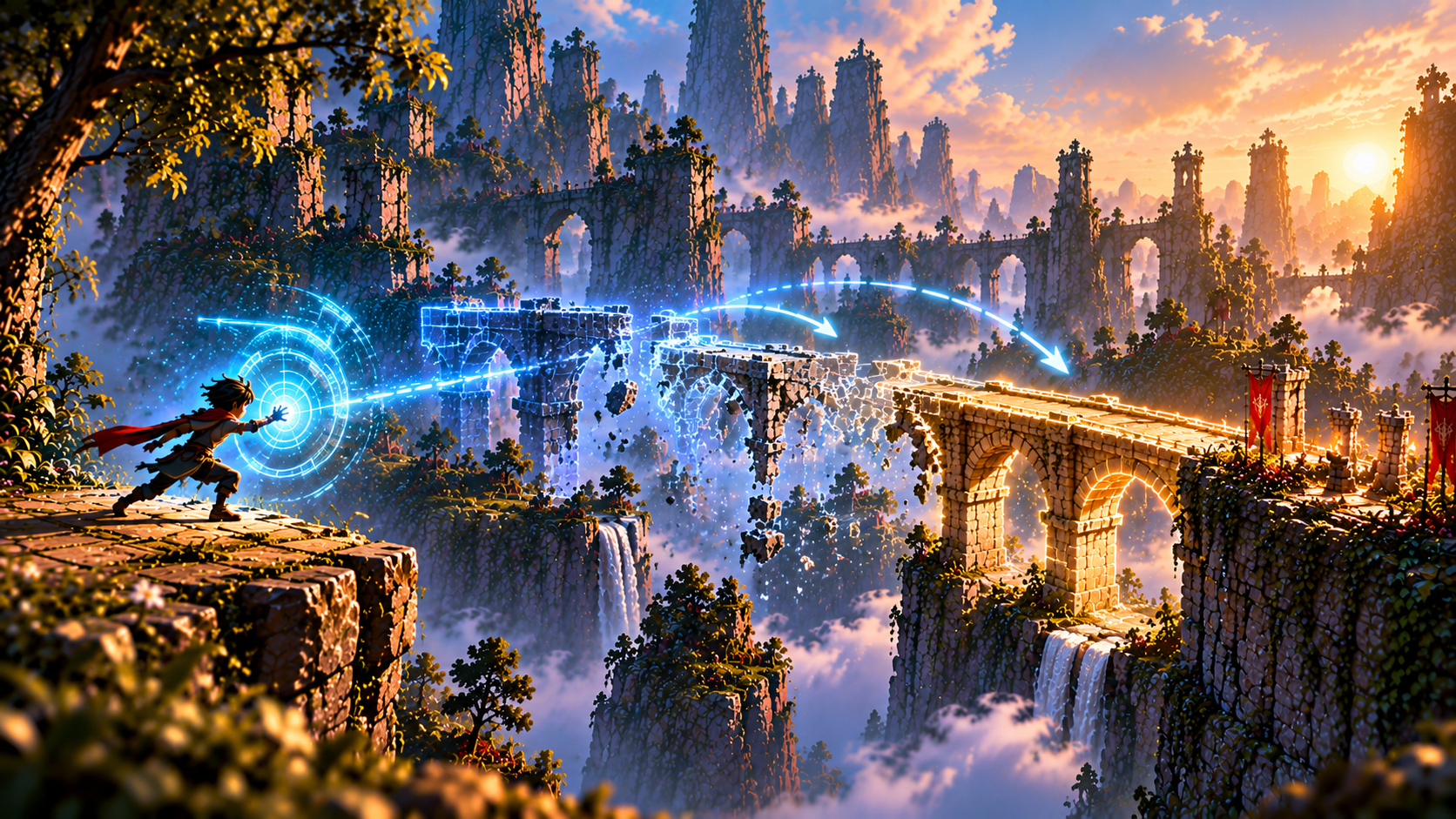
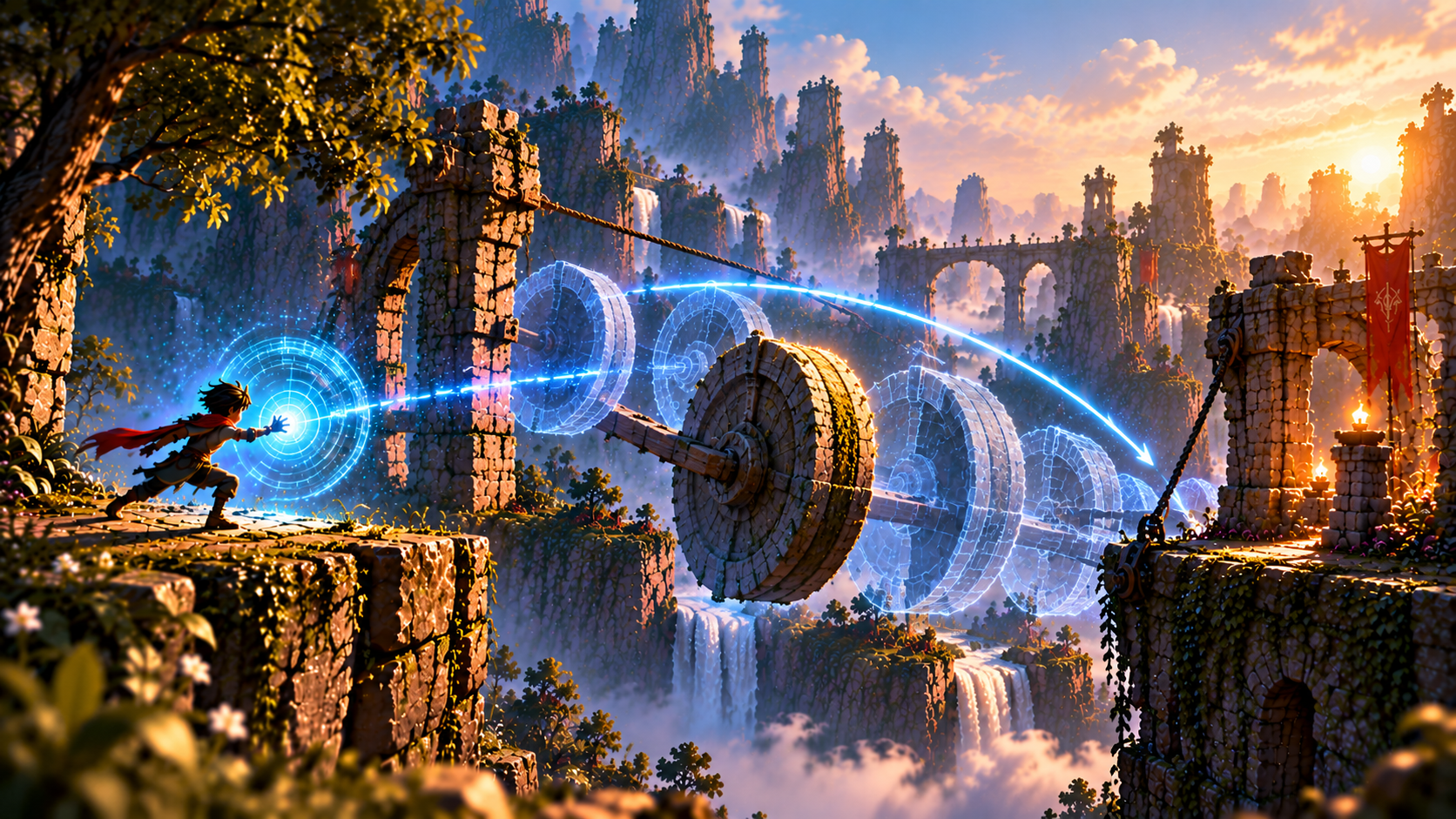
By entering Time Control mode, players can identify compatible objects and explore their individual timelines. Each object offers a set of predefined, selectable states, allowing players to transform the environment — restoring a destroyed bridge, for example, or reducing an intact wall to ruins to open a new path.

THREE APPLICATIONS

ENVIRONMENTAL TRANSFORMATION
Rewind or advance an object’s timeline to access different states, such as restoring a destroyed bridge or breaking down an intact wall.

MOTION CONTROL
Manipulate moving elements along their timelines, position them precisely, pause their movement or reactivate them.

DAY & NIGHT CONTROL
Switch between day and night at will, changing the world’s temporal conditions.

LIGHT

ILLUMINATE. INTERACT. PRESERVE.

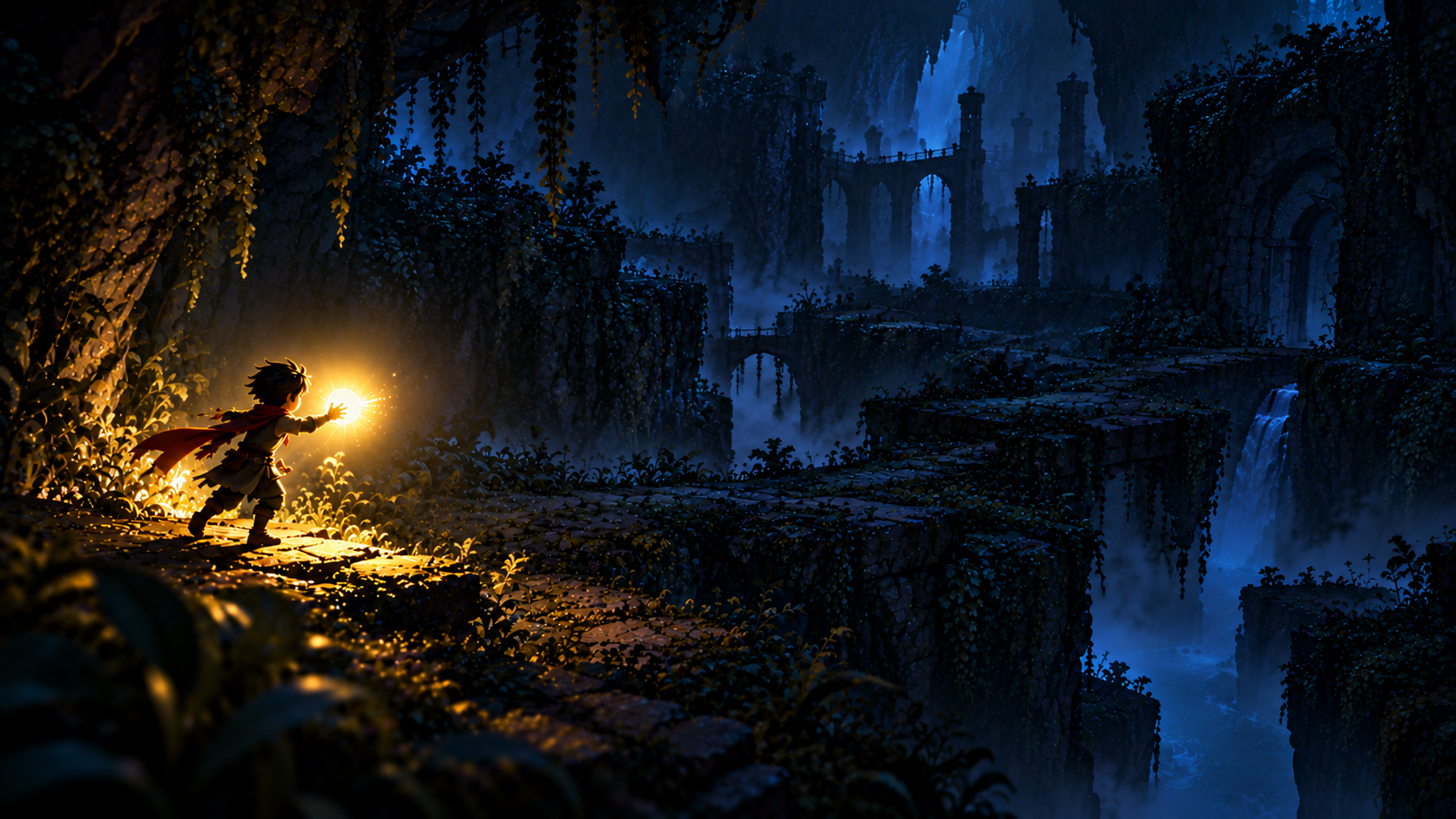
I designed Light as a versatile gameplay mechanic combining exploration, environmental interactions and resource management.

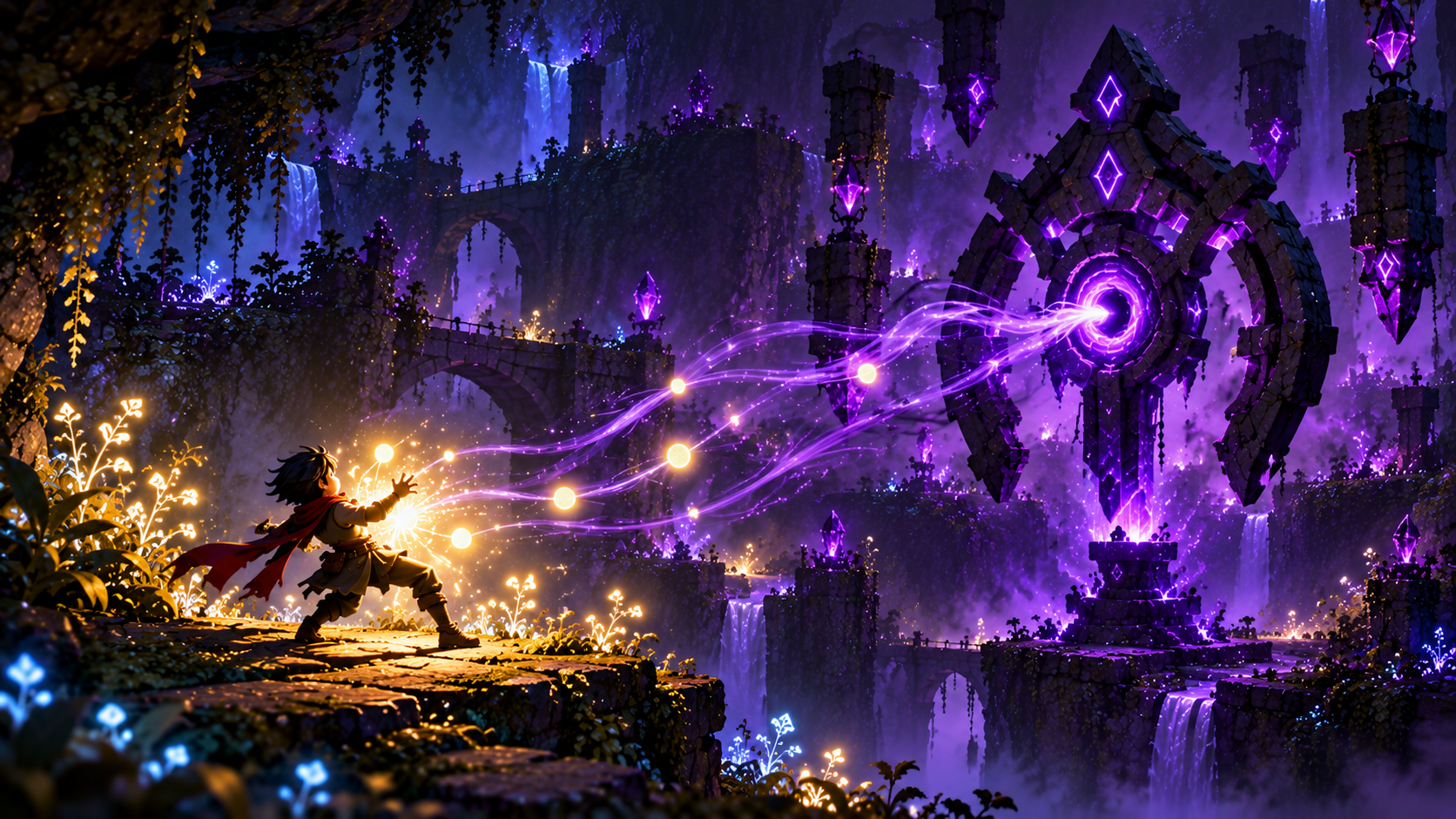
Players collect light charges from environmental sources and can use their power in two complementary ways: emitting light freely to explore darkness and reveal hidden information, or consuming charges to launch Light Balls that activate distant mechanisms.

The mechanic also introduces resource-management challenges, as certain environmental traps can drain the player’s stored light, forcing them to find alternative routes or solutions.


FOUR DESIGN APPLICATIONS

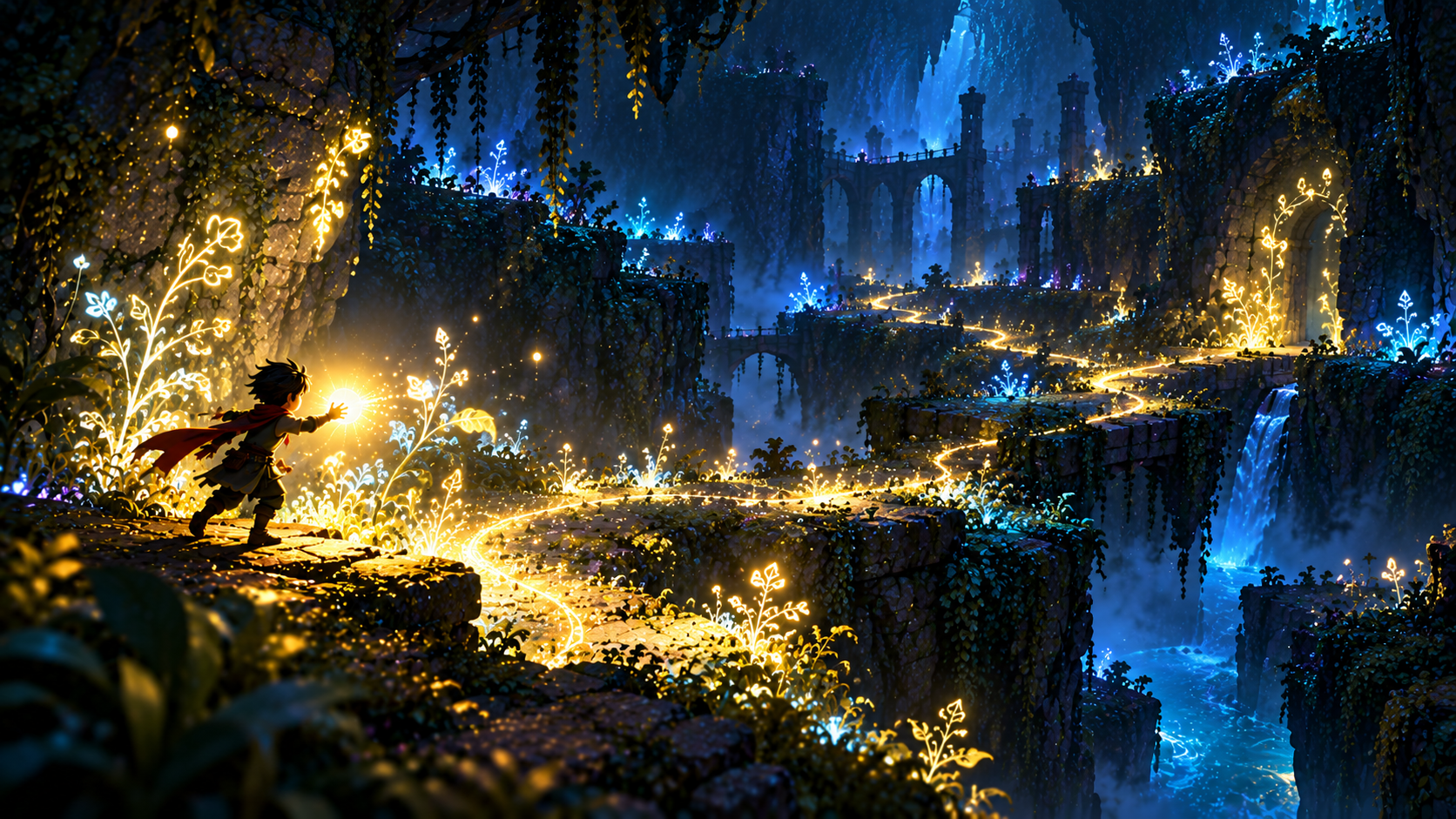
01 — LIGHT EMISSION
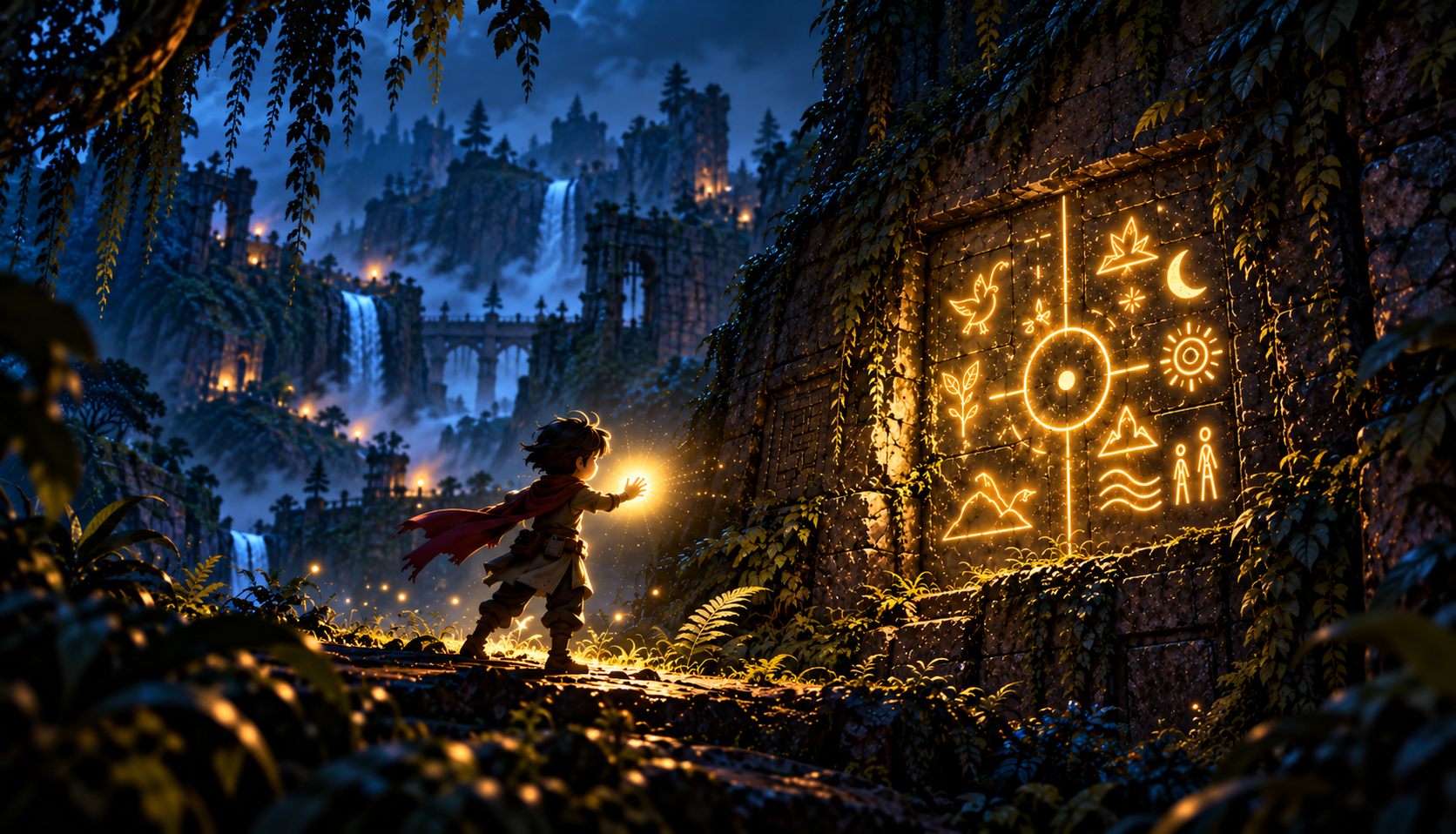
A free ability that illuminates dark areas and reveals environmental reactions, such as vegetation glowing to trace paths or display hidden symbols.
 

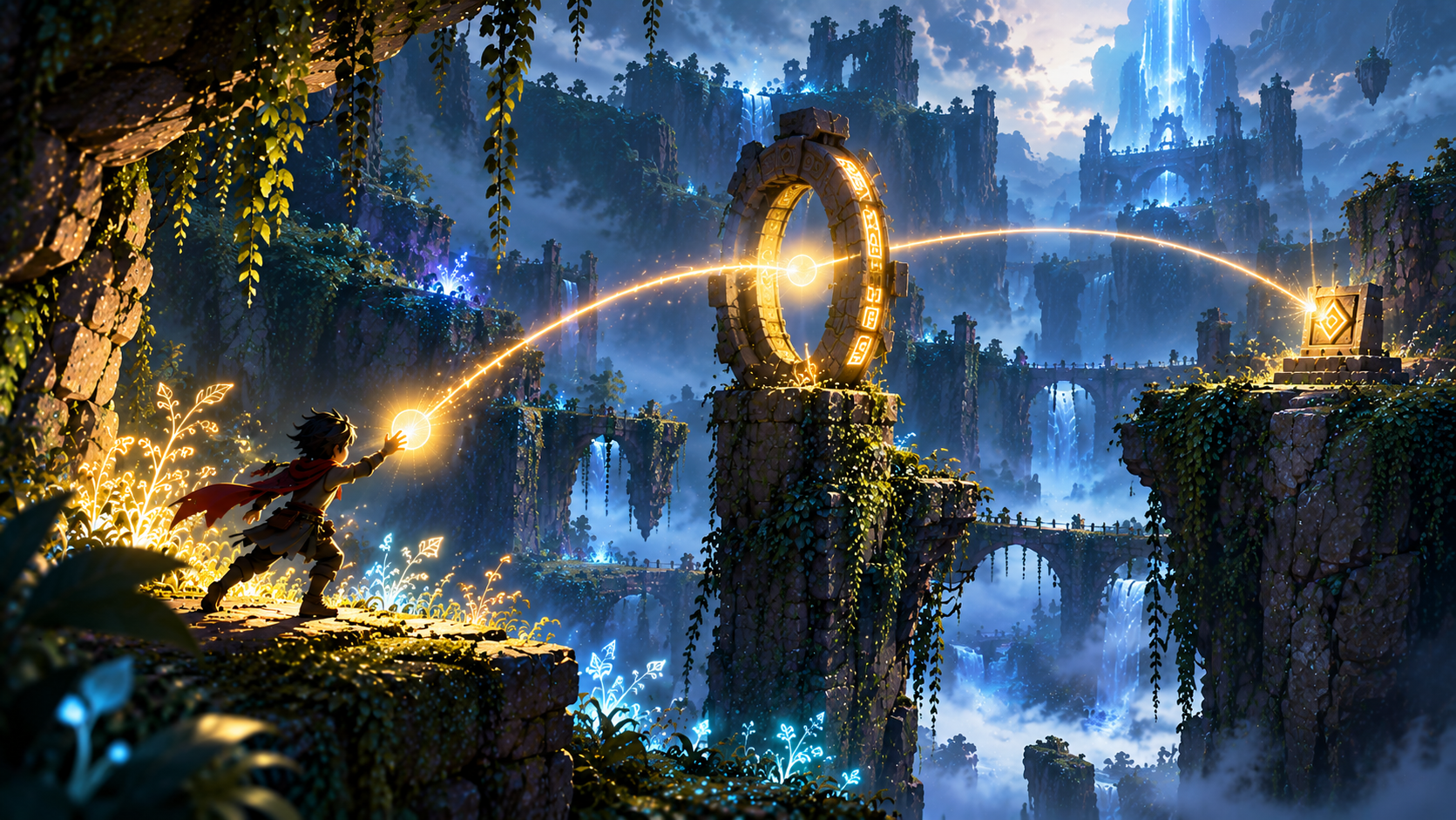
02 — LIGHT BALLS
Charged projectiles fired along an arcing trajectory. They can activate compatible mechanisms during flight, such as rings, or illuminate nearby targets through an explosion on impact.


03 — ENVIRONMENTAL PUZZLES
Players illuminate crystals to unlock doors or trigger events, and must carefully aim Light Balls through successive rings to activate them.


04 — RESOURCE MANAGEMENT
Light-draining traps challenge players to preserve their charges and find ways around obstacles that threaten to leave them without the resources needed to progress.

SENSES

PERCEIVE BEYOND THE VISIBLE.

I designed Senses as an exploration mechanic that encourages players to perceive the world beyond what they can see.

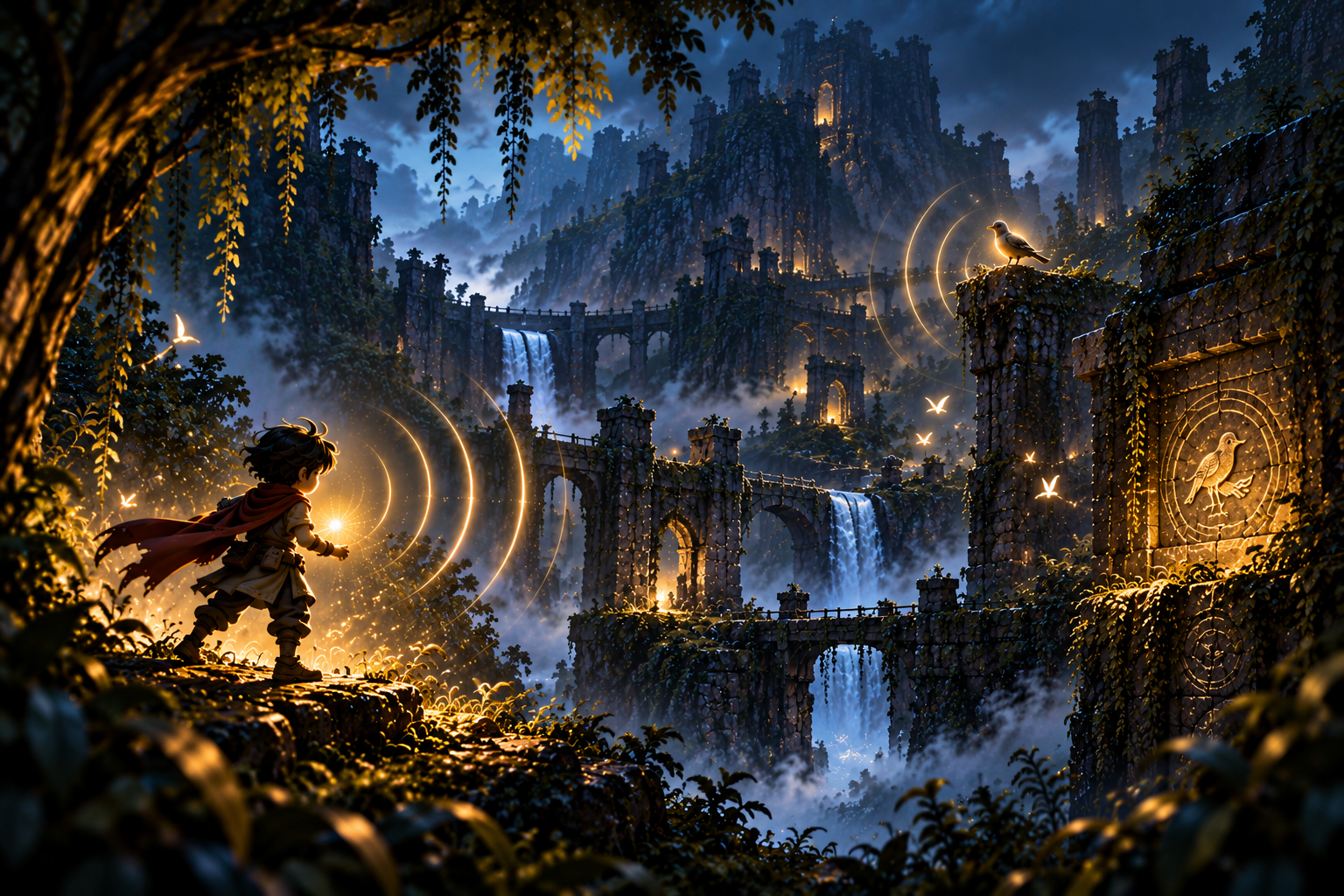
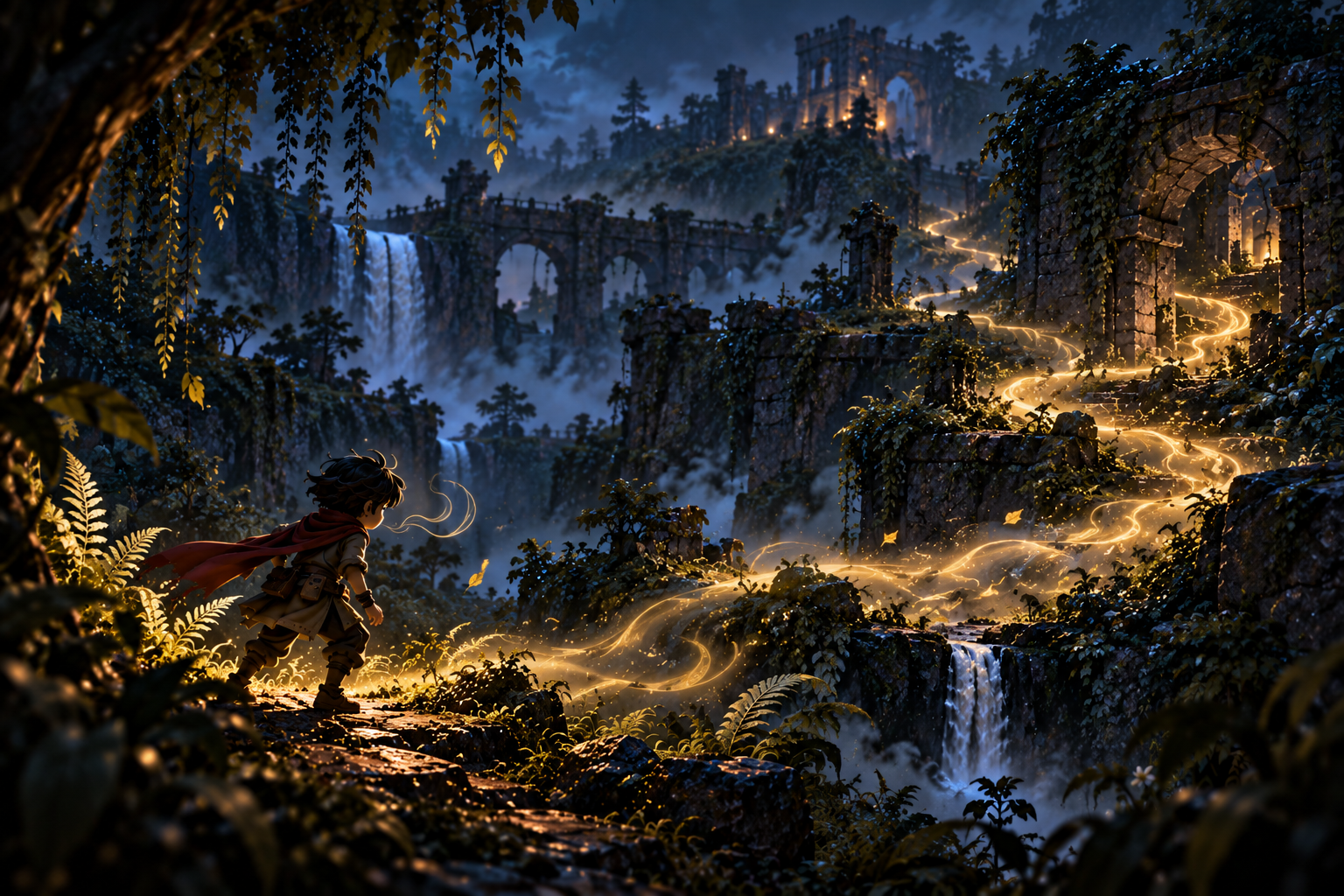
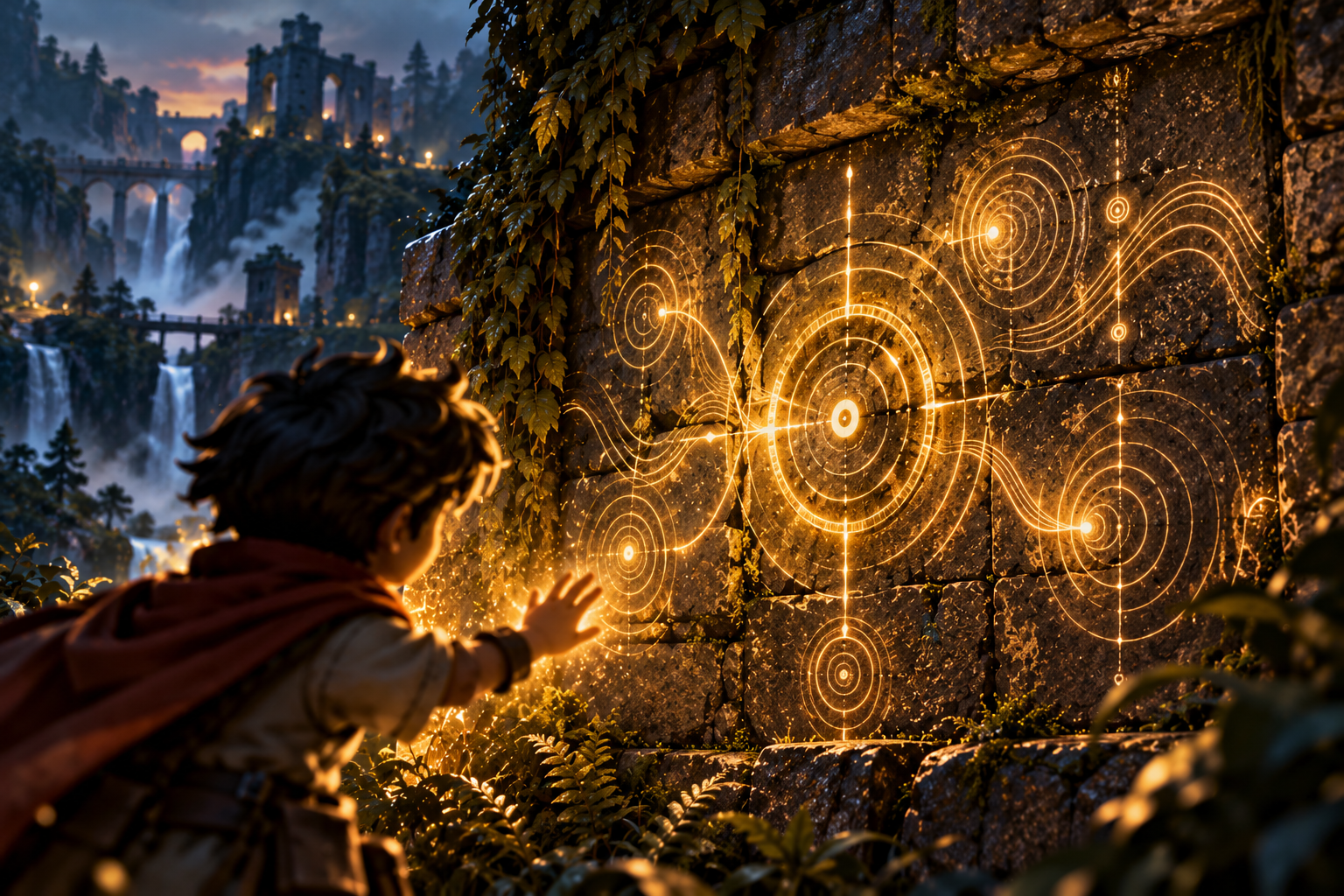
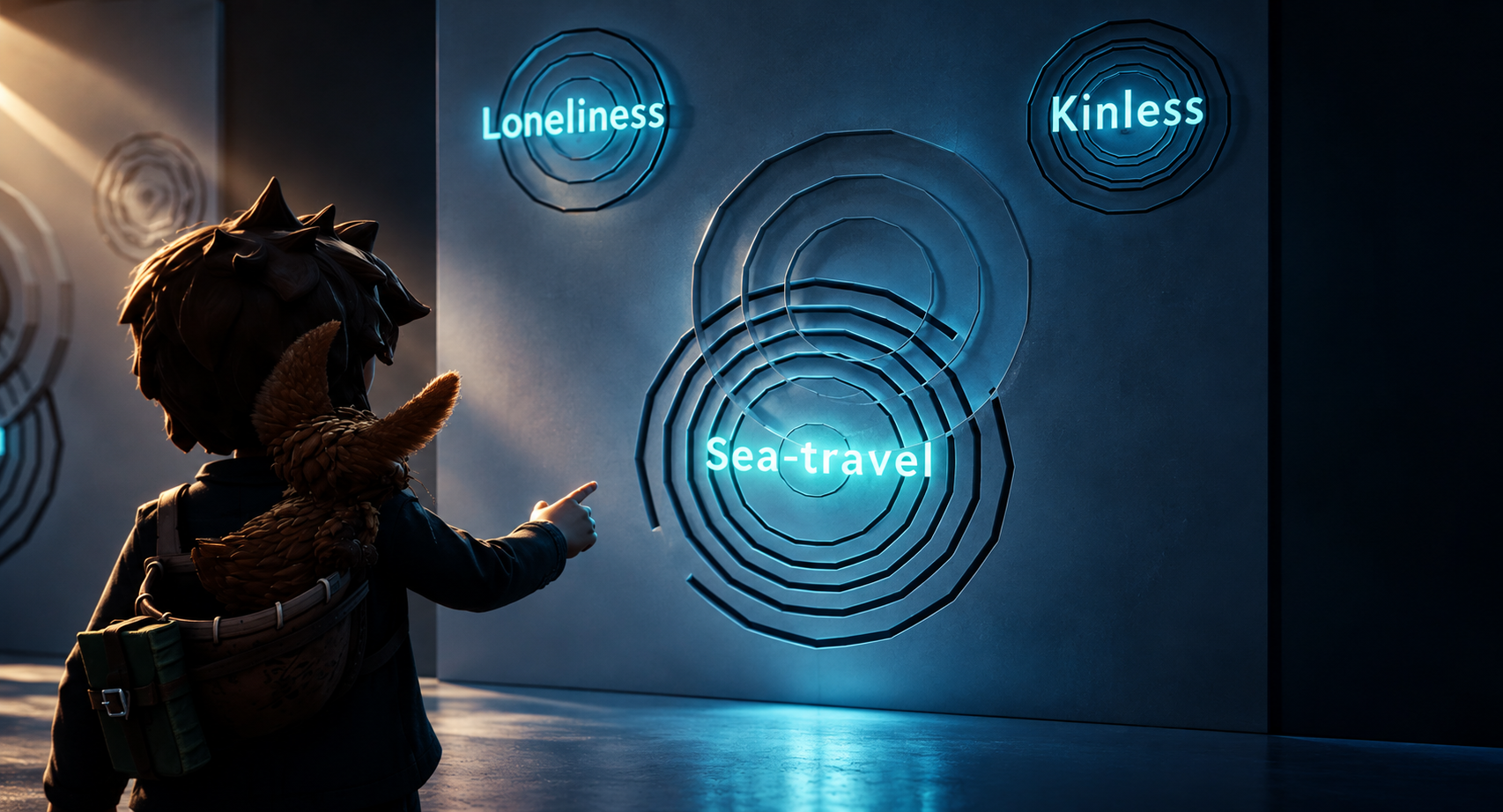
Through enhanced hearing, scent tracking and the interpretation of mysterious environmental symbols, players can uncover points of interest, follow hidden trails and decipher messages left by the world’s fantastical inhabitants.

Rather than simply highlighting objectives, Senses introduces observation and interpretation challenges that reward curiosity and attention to environmental details.


THREE DESIGN APPLICATIONS

01 — ENHANCED HEARING
Enter a listening mode to perceive environmental sounds, locate points of interest and identify specific audio cues among competing sound sources.


02 — SCENT TRACKING
Identify and follow scent trails to discover destinations or track elements through the environment.


03 — SYMBOL DECIPHERING
Decode messages engraved by fantastical creatures by aiming at mysterious symbols and precisely locating their vibration points to reveal their meaning.

04

MISSIONS &
RESPONSIBILITIES

From core gameplay mechanics to level and puzzle design, my work focused on creating engaging player experiences, defining design rules, and translating creative ideas into structured gameplay concepts.

My work focused on designing gameplay mechanics and translating narrative concepts into exploration, traversal and environmental challenges.

  • Designed the four core gameplay mechanics: Jump, Time Control, Light and Senses.

  • Defined player interactions, mechanical rules and their applications across exploration and puzzle-solving.

  • Developed challenges based on precision, timing, observation and resource management.

  • Structured design concepts to communicate intended mechanics, player actions and expected outcomes
  • Designed Tower Island and Bat Island, connecting their narrative themes to environmental gameplay.

  • Explored how level layouts, traversal challenges and environmental clues could guide player progression.

  • Designed puzzle concepts combining player abilities with interactive elements and spatial exploration.

  • Defined gameplay scenarios illustrating the possibilities and limitations of each ability.

  • Developed risk-and-reward situations, from charged jumps to light-resource management.

05

CONCEPT ARTS

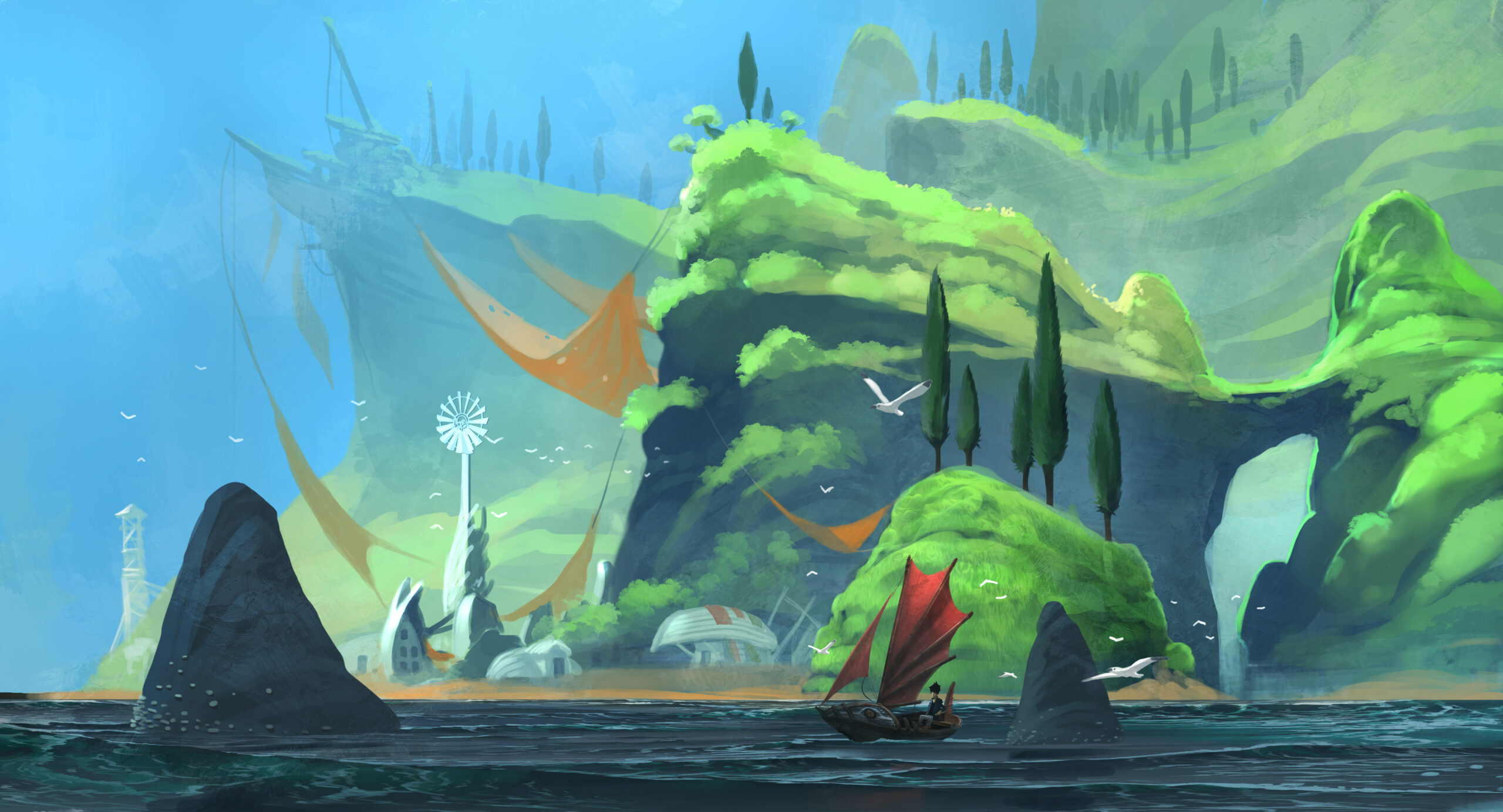
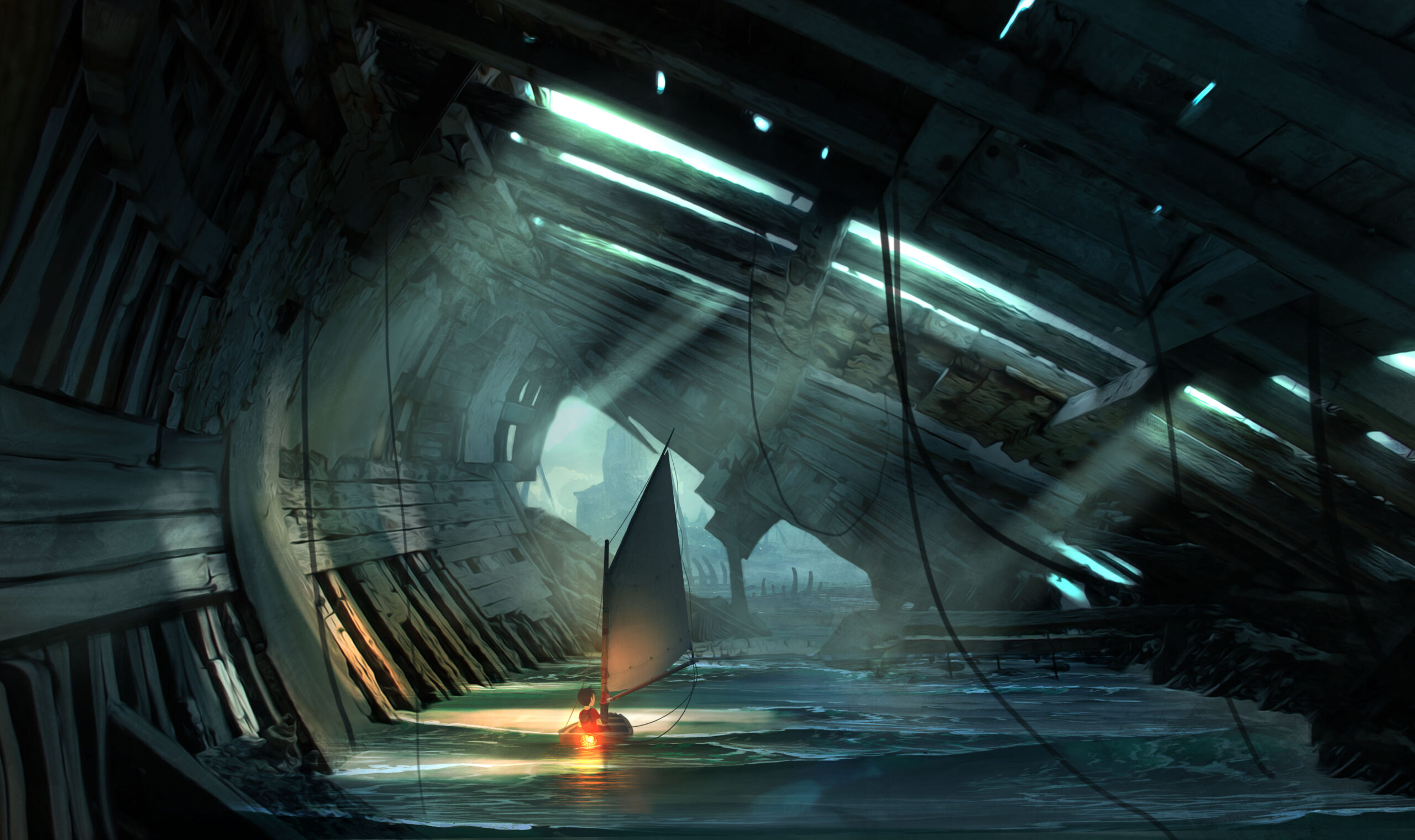
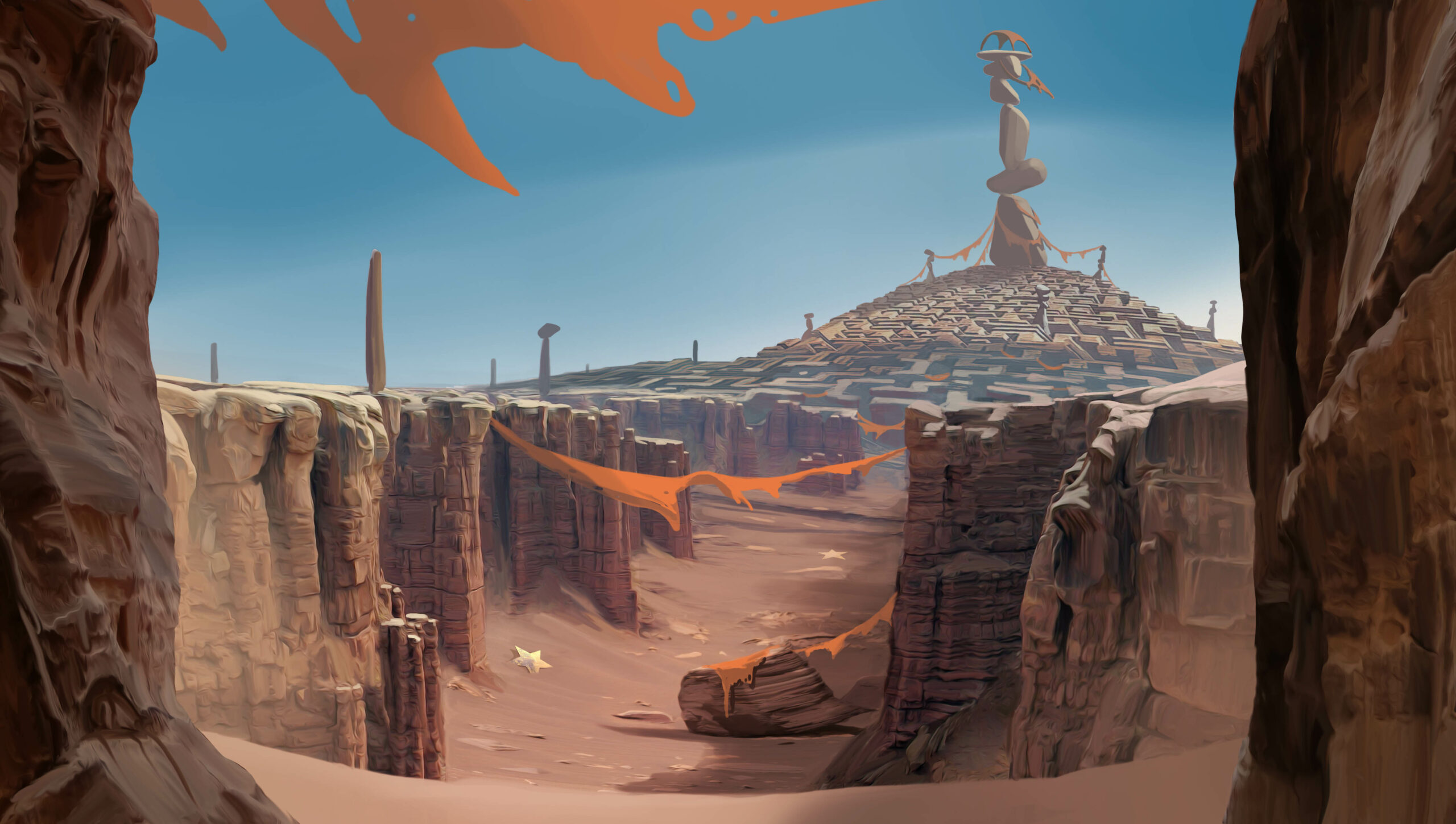
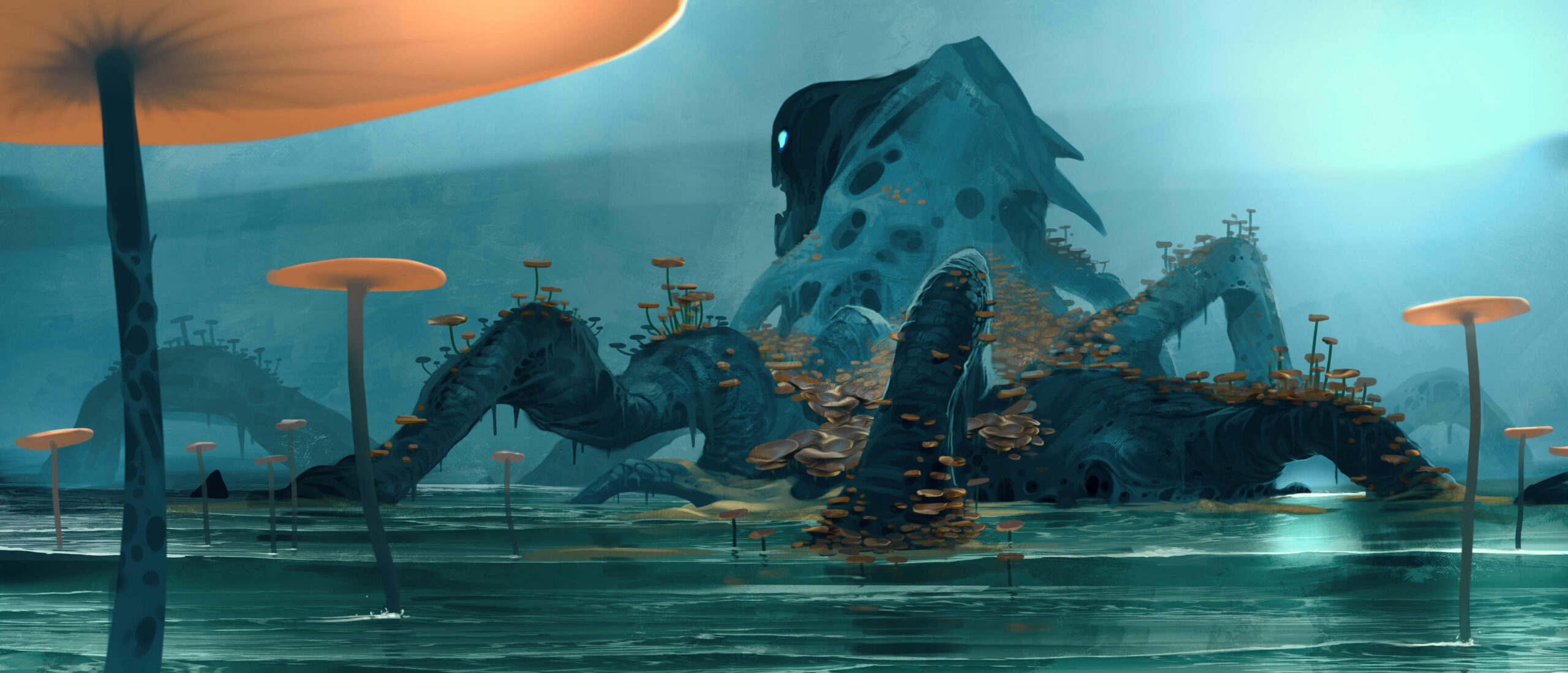
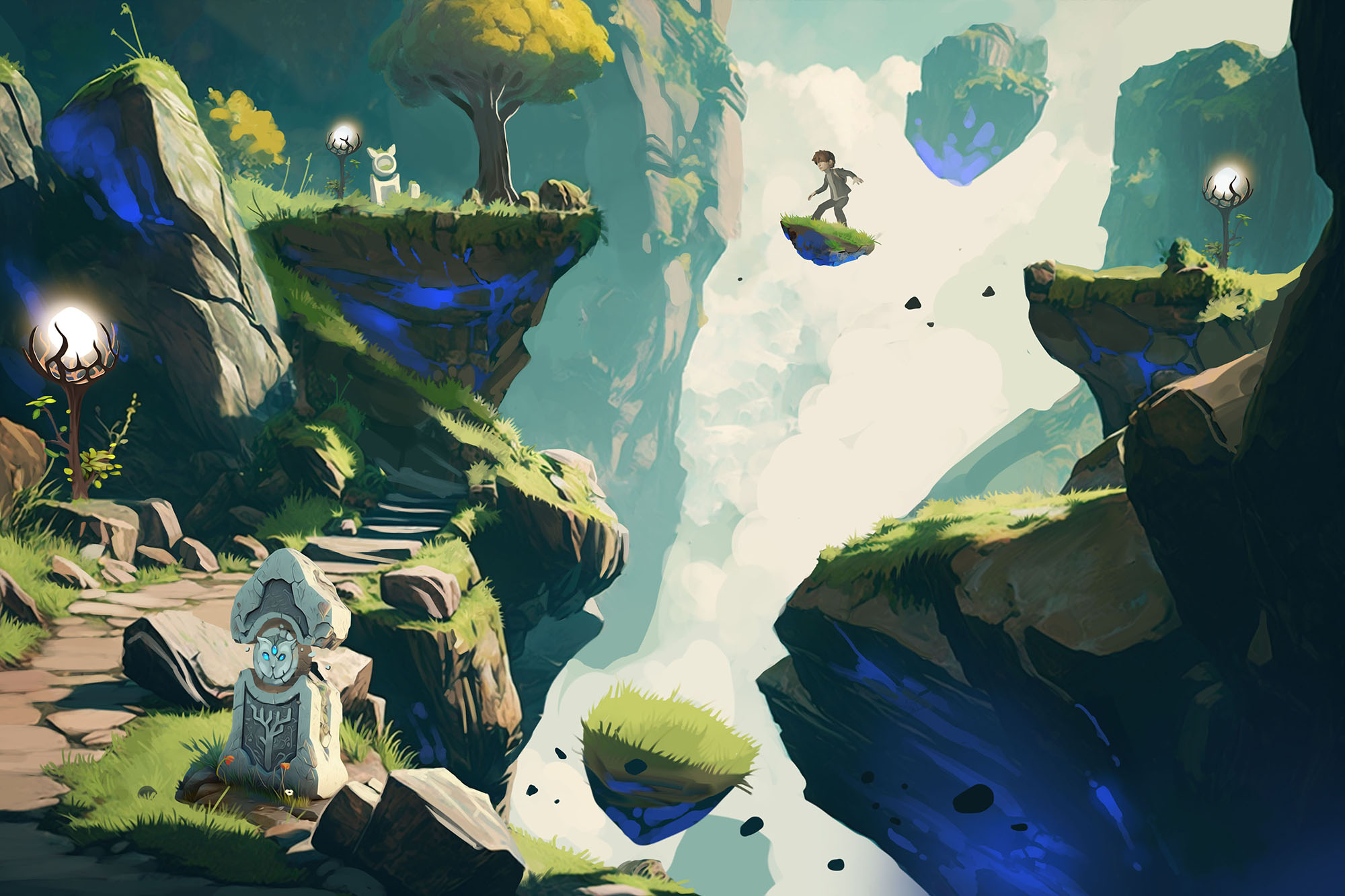
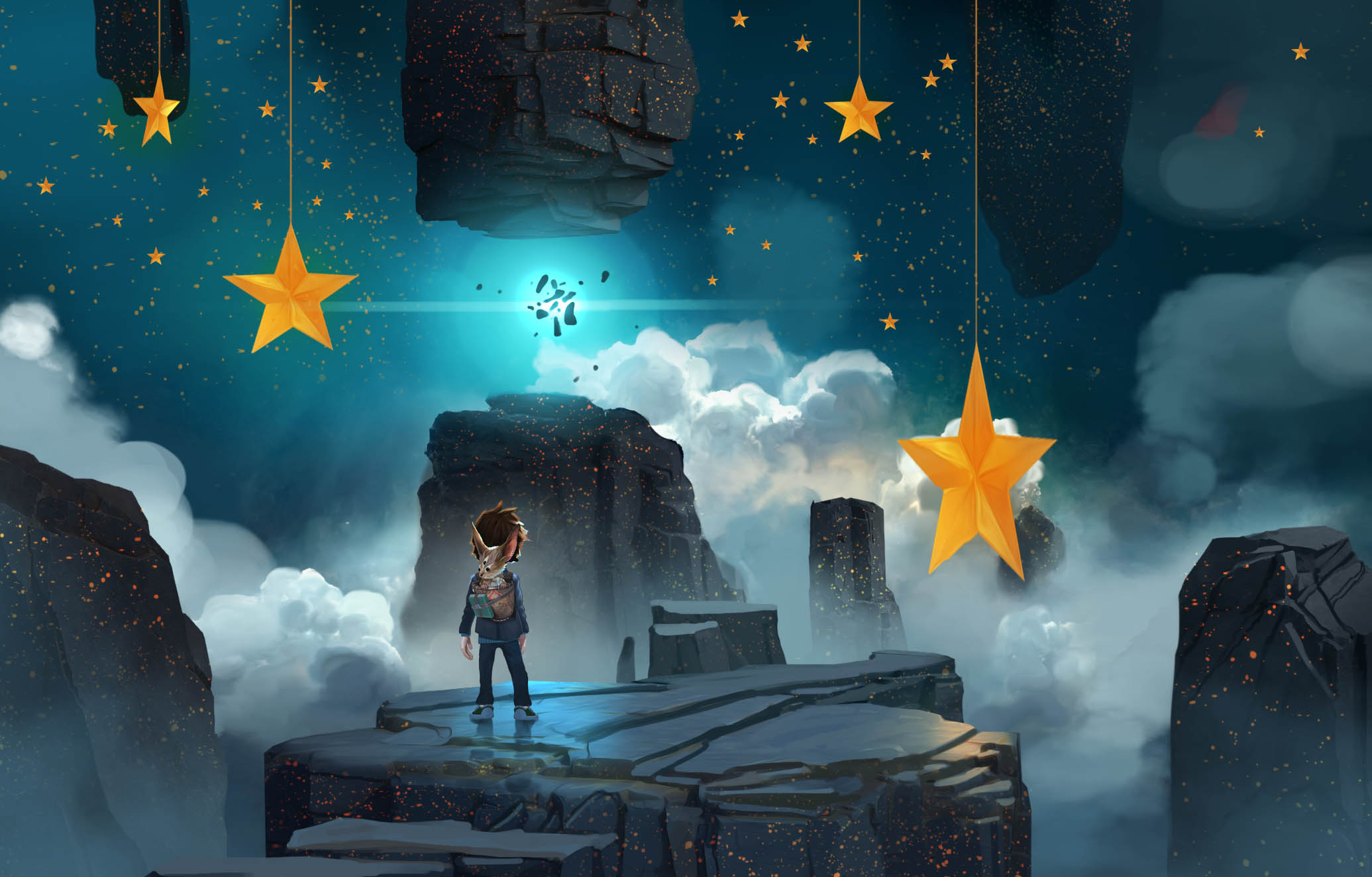
These concept artworks were created to establish the game’s visual identity, explore its fantastical environments, and communicate the atmosphere, scale, and creative direction of its world.

Select an image to enlarge it.

06

GAMEPLAY
VIDEOS

Discover creatures’s powers of ISLE OF ASTREA allowing player to explore the world on islands but also sailing the sea.

FEATURES 01

First look on features with the SENSE Creature giving the ability to understand some strange symbols from an unknown civilization.

FEATURES 02

Second look on features with LIGHT and TIME demonstrating their skills.


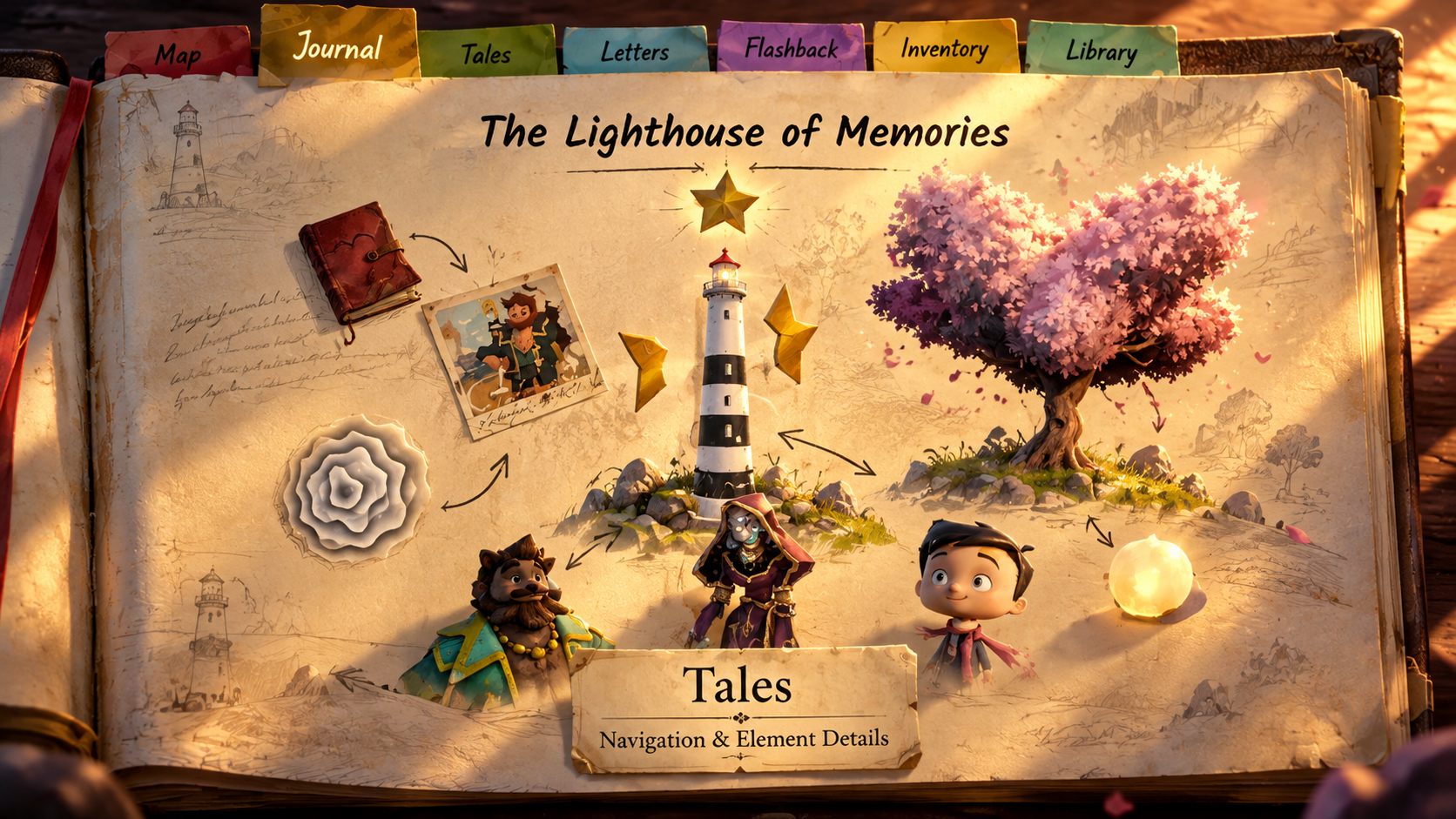
MAGICAL BOOK

A prototype of a player’s logbook, designed to accompany them throughout their entire adventure and keep track of all their discoveries.

NAVIGATION FEATURES

The features that shape navigation and the challenges the player will face aboard their boat.

07

BEYOND THE
KNOWN LIES THE
EXTRAORDINARY.

Discover a magical adventure where exploration, forgotten mysteries and extraordinary abilities bring a mysterious world to life.